
I’ve been noticing something incredible in my work with couples.
Some of the couples coming to therapy aren’t married yet. They’re dating seriously, engaged, or beginning to talk about their future together.
They enjoy being together and generally feel good about their relationship. There may be a few disagreements they’d like help working through, but they’re interested in understanding themselves and each other better before getting married.
They’re exploring how their childhood experiences influence their relationship, learning to communicate when emotions are running high, and talking through important decisions about their future.
Why Are Couples Starting Therapy Before Marriage?
Couples therapy is often associated with relationships going through a difficult time. But some couples are choosing to begin much earlier.
Counseling for dating couples can be helpful when a relationship is becoming more serious and both people are thinking about their future together.
Perhaps you’ve noticed that you approach disagreements differently.
One of you prefers to talk about a concern right away, while the other appreciates having some time to think.
Or maybe you have different expectations about money, family involvement, or how to spend your free time.
Neither of you necessarily needs to change your preferences. But understanding what’s important to each person can help you find an approach that respects both of your needs.
Therapy gives you an opportunity to understand those differences and consider what might work better for both of you.
Couples are using this time in therapy to talk about things they may not have thought much about before, including how their past experiences influence their relationship and what they want their future to look like.
Here are five areas couples are exploring together in therapy.

1. Understanding How Childhood Experiences Affect Your Relationship
Two people can grow up in very different families of origin and have different expectations about relationships.
Perhaps you grew up in a family where people talked openly about their feelings.
Your partner may have grown up in a family where people preferred to process emotions privately or expressed care through actions rather than words.
Both approaches can be meaningful ways of expressing care, and both of you may bring something valuable from your family experiences into your relationship.
Now, when you want to discuss something that’s bothering you, your partner may become quiet or need some time alone.
You might wonder whether they’re interested in what you’re saying.
Your partner may simply be trying to figure out how to explain what they’re feeling.
Without understanding what’s happening for each other, it’s easy to interpret these differences in ways that neither person intended.
In premarital counseling, we explore how these earlier experiences influence your relationship today.
Some questions worth considering include:
- How did your family handle disagreements?
- What did you learn about expressing anger, sadness, or disappointment?
- How did people offer comfort or support?
- What happened after disagreements? How did people reconnect?
- Are there experiences from previous relationships that influence you today?
Family traditions, cultural values, religious beliefs, and personal experiences can all shape our expectations.
Research from the American Psychological Association has explored how early relationship experiences can influence adult romantic relationships.
Your childhood doesn’t determine what your relationship will look like. But it may help explain why certain things are particularly important or difficult for you.
The goal isn’t to get each other to see everything the same way. It’s to understand how you see things differently and develop more empathy for each other.
2. Recognizing What Triggers Your Emotional Reactions
Have you ever had a disagreement with your partner and afterward wondered why it affected you so much?
Perhaps they made a comment about being late, and you felt criticized.
Or plans changed unexpectedly, and you felt disappointed because you had been looking forward to spending time together.
Sometimes our reactions are influenced by earlier experiences or concerns that aren’t immediately obvious.
Someone who has experienced rejection may feel uncertain when their partner seems distracted or unavailable.
These feelings can be understandable, even when your partner experiences the situation differently.
Anxiety can influence these interactions, too.
Perhaps your partner has been worried about something for several days. You’ve listened, offered reassurance, and tried to help, but they’re still worried.
You may begin wondering what else you can do.
Learning how to help a partner with anxiety involves understanding what they’re experiencing and asking what kind of support would be helpful.
Sometimes they may appreciate having someone listen. Other times, they may want help considering their options.
It’s also helpful to remember that you can care for each other while having different emotional needs and limits.
If anxiety, sadness, or stress has been making everyday life more difficult, you may appreciate my complimentary guide, When Anxiety or Depression Starts to Affect Daily Life. It includes practical self-care suggestions and signs that it may be time to seek professional support.
In couples therapy, we can explore what happens when either of you becomes upset and how you’d like to respond to each other.
3. Learning to Listen and Repair After Conflict
You and your partner may communicate comfortably about many things, yet find certain conversations more difficult.
One person explains why they’re upset.
The other person experienced the situation differently and wants to explain their perspective.
Before long, both are trying to be understood, and neither feels particularly heard.
In couples therapy, we look at what happens during these conversations and practice:
- Listening to understand your partner’s perspective.
- Recognizing when a conversation is becoming difficult.
- Asking questions to better understand what your partner means.
- Expressing feelings and concerns in ways that allow both people to be heard.
- Reflecting on how your own responses affect the conversation.
- Finding ways to reconnect afterward.
Even when you care deeply about each other, there will be times when you misunderstand one another or say something that hurts the other person’s feelings.
Learning how to acknowledge those moments and talk about what happened can help you reconnect.
Sometimes that involves acknowledging that something was hurtful, even though you didn’t intend it that way.
Other times, it means explaining what you were hoping for and listening to what your partner was trying to communicate.
You may still remember the disagreement differently. You can understand and respect each other’s experiences without agreeing about every detail.
Drs. John and Julie Gottman’s work emphasizes the importance of repair attempts and reconnecting after conflict.
As couples become more comfortable repairing after disagreements, they may find it easier to reconnect and enjoy their time together.
4. Talking About What You Want Your Marriage to Look Like
One of the benefits of premarital counseling is having time to discuss your expectations while planning your future together.
Some of the common problems in the first year of marriage involve adjusting to different expectations, responsibilities, and family traditions.
There are quite a few things worth discussing:
- How will we manage money and financial decisions?
- What are our expectations about careers and time together?
- What are our thoughts about children or caregiving responsibilities?
- What role would we like our families and other important people to have in our lives?
- Which cultural, religious, or family traditions matter to us?
- How will we balance time together with individual interests?
- What are our expectations and preferences around affection, intimacy, and personal boundaries?
Two people can care deeply about each other and still have very different expectations about family, finances, and what married life will look like.
For example, one of you may have grown up celebrating holidays with a large extended family. Your partner may have grown up enjoying smaller gatherings or different traditions.
Both of you may have meaningful memories and expectations connected to those experiences.
When you begin making holiday plans, you discover that you have different preferences.
What seemed like a scheduling decision becomes a conversation about family, belonging, and traditions.
These differences can contribute to newlywed struggles, especially when couples are navigating new routines and figuring out how to include what’s meaningful to each person.
Premarital counseling gives you time to understand what matters to each person and explore ways to make decisions together.
You won’t figure everything out before marriage, but these conversations can help you prepare for some of the decisions you’ll be making together.
5. Practicing What You’re Learning
Understanding why you respond a certain way can be helpful. But that understanding doesn’t automatically change what happens during a disagreement.
That’s why couples therapy includes practicing what you’re learning.
If one of you needs time to think during a difficult conversation, we might explore how to communicate that need and agree on when to continue talking.
If misunderstandings happen frequently, we may practice asking questions and checking that you’ve understood each other before responding.
Between sessions, I encourage couples to try some of these approaches and pay attention to what happens.
Some approaches may feel comfortable right away, while others may take more time or need to be adjusted to fit your relationship.
We can talk about what worked, what felt uncomfortable, and what you’d like to try differently.
How to Help Your Partner With Anxiety
Would Couples Therapy Be Helpful Before Marriage?

If you’re dating seriously or engaged, consider talking through these questions together.
- Are there conversations we’d like to feel more comfortable having?
- How have our childhoods or previous relationships influenced our expectations?
- What helps each of us feel heard when we disagree?
- How do we reconnect after an argument?
- What would we like to discuss about marriage, family, finances, and our future?
You may discover that you have different answers. That can lead to some interesting conversations about how each of you experiences your relationship.
What Does Premarital Counseling Look Like?

When couples come to work with me, we begin by talking about what they’d like to accomplish.
Some have a particular concern they’d like help discussing. Others want to improve communication, understand how past experiences affect their relationship, or explore expectations for marriage.
We’ll look at what’s already working well and where you’d like to make changes.
I generally recommend beginning with weekly sessions and planning for about 12 weeks before reassessing your progress.
Our conversations include opportunities for both of you to be heard and understood, along with practical approaches you can try between appointments.
The first year of marriage can bring up disagreements that weren’t an issue while dating.
The two of you spent months planning your wedding and were looking forward to settling into married life.
Now there are decisions about how to manage money, divide responsibilities, and spend time with family.
Even something as simple as deciding where to spend the holidays can become complicated when each person has different expectations.
It’s easy to wonder why you’re having these disagreements when you’re newlyweds. Can’t the honeymoon last. a little bit longer?!
Adjusting to marriage involves learning how to make decisions together while balancing the expectations and experiences you each bring into the relationship.
Some of these differences may have been present while dating, but they didn’t affect everyday life in quite the same way.
You Can Start With One Conversation
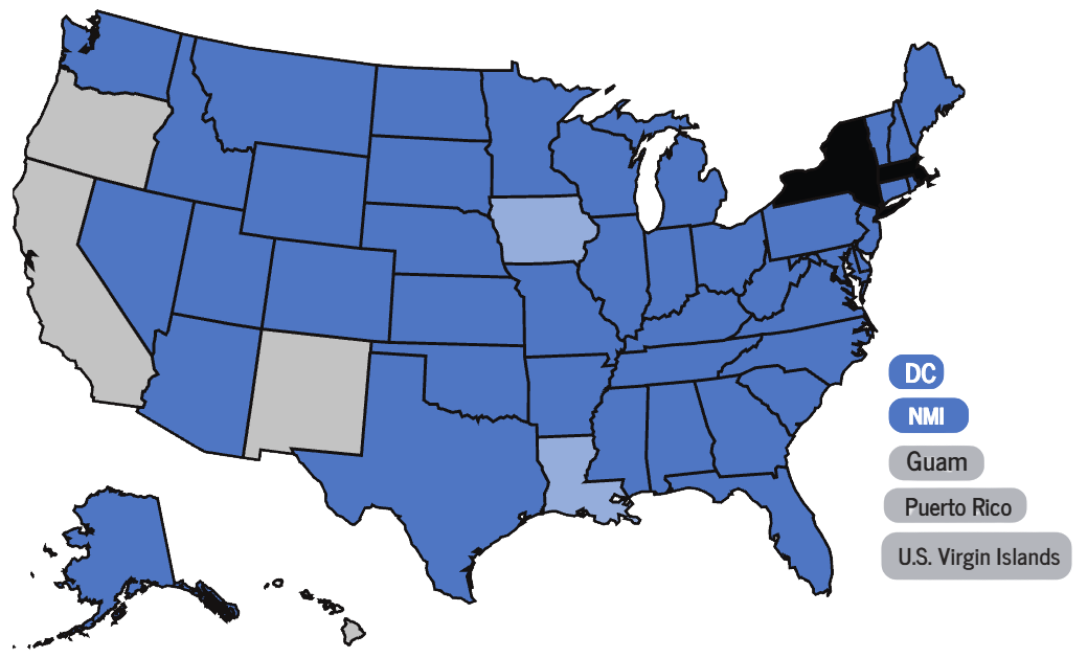
Online Couples Therapy in Connecticut and PSYPACT States
Through Breakthrough Counseling, LLC, I provide online couples therapy, marriage counseling, premarital counseling, and individual therapy.
I work with couples throughout Connecticut, including New London County and the surrounding shoreline communities. I’m also authorized to provide teletherapy to eligible clients physically located in over 40 participating PSYPACT states.
All appointments take place online through secure video sessions.
About Dr. Kristin Barnhart
About Dr. Kristin Barnhart
Dr. Kristin Barnhart is a licensed psychologist in Connecticut, couples therapist, and founder of Breakthrough Counseling, LLC. She has been a licensed clinician for more than 30 years and provides online therapy for couples and individuals.
Dr. Barnhart works with committed couples in many stages of life, including dating, engaged, newly married, long-married, parenting, empty nest, and later-life couples.
She specializes in helping couples improve communication, understand recurring conflict, repair trust, create healthier family boundaries, and rebuild emotional closeness.
She also provides online therapy for individuals navigating relationship conflict, anxiety, depression, stress, grief, and life transitions.
Her work is warm, practical, and tailored to your real life. She uses evidence-informed approaches, including cognitive behavioral therapy (CBT), dialectical behavior therapy (DBT), solution-focused therapy, and strengths-based care. Christian-based support is available upon request.
Dr. Barnhart is authorized through PSYPACT to provide telepsychology in more than 40 participating states.
To learn more about whether therapy may be a good fit, you’re invited to schedule a complimentary introductory call by calling or texting 860-333-8773.
This article is for educational purposes and is not a substitute for therapy, diagnosis, or emergency care.

0 Comments