

You agree on almost everything about your wedding.
Until your families get involved.
Your mom has feelings about the guest list. Your future in-laws have opinions about traditions. Someone wants to invite “just a few more people.” And someone else is disappointed that you’re doing things differently than they expected.
You know everyone is excited, and you want them to feel included.
But you’ve started feeling anxious every time another wedding-related text comes through. You read it, put your phone down, and come back to it later, trying to figure out what to say without hurting anyone’s feelings.
And now you and your fiancé are starting to disagree about how to handle your families.
You expected wedding planning to be stressful. But you didn’t expect to be arguing with each other about this before you’re even married.
Some of these disagreements may be bringing up questions you haven’t had to think about much before.
How much say should your families have? What happens when one of you disagrees with a parent? And how do you make decisions together when someone you love is disappointed?
These are conversations worth having before getting married.
Why Does Family Pressure Feel So Intense During Engagement?

Getting married changes your relationships with your families, even when everyone gets along well.
You’re still someone’s daughter, son, or sibling. Your fiancé has relationships and traditions that matter to them, too. And now the two of you are making decisions that affect both families.
Your parents may have been imagining your wedding for years. Your future in-laws may have traditions they assumed you’d want to follow. And you and your fiancé have your own ideas about how you want to celebrate.
Things can get complicated when expectations don’t match.
For example, you might feel comfortable telling your parents that you’ve made a decision. Your fiancé may be used to avoiding disagreements with family members and would rather find a compromise.
Neither of you may have thought much about these differences until wedding planning brought them to the surface.
The challenge is figuring out how to respect your families while making decisions together as a couple.
And that’s something you’ll continue doing long after the wedding.
What Is Wedding Family Stress?
Wedding family stress is the emotional pressure you and your fiancé may feel when family expectations, opinions, or traditions start affecting your wedding decisions or causing tension between you.
You might find yourself:
- Worrying about disappointing your parents or future in-laws.
- Trying to make decisions that will keep everyone happy.
- Arguing with your fiancé about how to respond to family members.
- Feeling guilty when you say no to something a family member wants.
- Wondering why decisions that seemed simple have become so complicated.
Sometimes the stress comes from what family members are asking of you. Other times, it’s internal pressures or the differences between you and your fiancé about how to respond.
And sometimes you’re dealing with both at the same time.
You may find that a disagreement about wedding plans is actually bringing up something you’ve struggled with in your family for years, like feeling responsible for everyone’s feelings or having trouble saying no.
It’s worth paying attention to how those patterns are affecting you and your fiancé.
Signs Family Pressure Is Affecting Your Relationship

Some wedding planning disagreements are relatively easy to resolve. Others keep coming up because there’s something more important underneath them.
Here are five things you may be noticing.
1. You’re putting off decisions because you’re worried about someone’s reaction.
You and your fiancé know what you’d prefer, but you’re reluctant to tell your families.
You keep hoping there’s a way to make everyone happy. Meanwhile, another week goes by and you still haven’t told your family.
2. You and your fiancé argue after spending time with family.
A conversation with your parents or future in-laws leaves one of you upset.
Later, you disagree about what was said, whether someone was being critical, or why your partner didn’t speak up.
The family conversation is over, but the two of you are still arguing about it.
3. You feel responsible for keeping everyone happy.
You’re thinking about how your mom will feel, whether your future in-laws will be disappointed, and whether your fiancé is comfortable with the plans.
By the time you’ve considered everyone else’s preferences, you’re having trouble remembering what you wanted in the first place.
4. One of you feels unsupported around the other’s family.
Your fiancé may feel uncomfortable speaking up, or you may wish your partner would say something when a family member crosses a boundary.
You might feel hurt that your fiancé didn’t support you. Your fiancé may feel that you’re expecting them to confront their parents over something they don’t see as a big problem.
Now you’re disagreeing about how each of you handled the situation.
5. You keep telling yourselves things will be easier after the wedding.
Some of the pressure probably will ease once the wedding is over.
But disagreements about family involvement can come up again when you’re deciding where to spend holidays, how often to visit, how to handle money, or how involved your parents will be in future decisions.
It’s worth talking about those differences now, even if you don’t have all the answers yet.
“I Don’t Want to Be Difficult. I Just Want Us to Feel Like a Team.”
You don’t want to upset your family. And you certainly don’t want your fiancé to feel like they have to choose between you and their parents.
But when your future mother-in-law keeps questioning a decision you’ve already made, or your parents keep asking you to reconsider something, you want to feel that your partner understands why it’s bothering you.
You want your fiancé to back you up. Your fiancé sees things differently.
They may think the situation isn’t worth arguing about. They may believe their parents are trying to be helpful. Or they may feel caught between two people they love.
So now you’re frustrated with your fiancé, and your fiancé doesn’t understand why you’re so upset.
This is a good time to get curious about what each of you is experiencing.
You might ask your fiancé, “When your mom brought that up again, what did you think she was trying to say?”
And your fiancé might ask you, “What bothered you most about what she said?”
You could discover that you’re interpreting the same conversation very differently.
What feels like a small request to one of you may feel like another example of being pressured to the other.
You can disagree about how serious something is and still care about how it’s affecting your partner.
The American Psychological Association emphasizes the importance of talking openly, listening to each other’s perspectives, and addressing concerns rather than allowing resentment to build.
You don’t have to agree about everything your families say or do. But you can work toward understanding each other’s concerns, even when you see the situation differently.
How Do You Set Boundaries With Family Before Marriage?
The word boundaries can make people uncomfortable, especially when they’re close to their families.
You may worry that setting boundaries will sound disrespectful or make your parents feel excluded.
But setting a boundary doesn’t mean you love your family any less.
It means being clear about which decisions you’re comfortable letting other people influence and which ones you and your fiancé want to make yourselves.
For example, your parents may offer to pay for part of the wedding and assume that gives them some say in the guest list.
You and your fiancé may be grateful for their generosity while feeling uncomfortable with the expectations attached to it.
Before accepting their offer, it would be helpful to talk about whether they have any expectations about how the money will be used.
You might be comfortable including a few additional guests. Or you may decide that you’d rather have a smaller wedding, even if it means paying for more of it yourselves.
The decision may involve some compromise, and you and your fiancé may need time to figure out what you’re both comfortable with.
You may also discover that you and your fiancé don’t agree on where the boundary should be.
That’s something to talk about before deciding what to tell your families.
The Gottman Institute’s discussion of premarital conflict addresses the importance of establishing boundaries with extended family and discussing what information couples want to keep between themselves.
You can remain close to your families while making decisions about the traditions, expectations, and boundaries you want in your marriage.
Questions to Ask Your Fiancé Before You’re with Family

If family pressure has been causing tension, try talking about it when you’re both feeling calm, rather than right after an upsetting conversation with family.
Three questions to get you started.
1. What do we actually want?
Before thinking about what your parents or future in-laws would prefer, talk about what matters to each of you.
For example, do you both want a smaller wedding? Is there a tradition that’s especially important to one of you? Are there things you’re willing to compromise on?
You may discover that you agree more than you thought. Or you may realize that you have different priorities that you haven’t fully talked through yet.
2. Where are we each feeling pressure?
Your fiancé may be worried about disappointing their parents. You may be concerned about creating tension with your future in-laws.
Ask each other what feels especially difficult about the situation.
Is one of you worried about hurting someone’s feelings? Does the other feel that family members are getting too involved?
Understanding what makes these conversations difficult for each of you can help you be more understanding of each other’s reactions.
3. How do we want to handle this together?
Would it help to speak with your families separately? Would you prefer to talk with them together? Is there a decision you need more time to discuss privately?
You don’t have to come up with the perfect response.
You may even decide that you need a few more days to talk something through before giving your family an answer.
The important part is having the conversation with each other before you’re in the middle of another family disagreement.
Can Premarital Counseling Help With Family Pressure?
Yes. Family expectations, communication barriers, and disagreements about boundaries are all appropriate topics for premarital counseling.
And you don’t have to wait until you’re having serious relationship problems to talk with a couples therapist.
You may be getting along well in most areas of your relationship, but you’ve noticed that conversations about your families keep turning into arguments.
One of you may avoid conflict with family members, while the other wants to address concerns immediately. You may have different expectations about holidays, finances, privacy, or how involved your parents will be in your marriage.
In premarital counseling, we can talk about what’s been happening and why certain conversations have become difficult.
We’ll also look at how you each respond when you disagree and what might help you communicate and make decisions together.
I’ve been a licensed psychologist for more than 30 years, and I help engaged couples have some of these important conversations before they get married.
I take an active role in our sessions, and I’ll often give you things to work on between appointments so you have opportunities to practice what we’re discussing.
You can come to premarital counseling with a strong relationship and still have a few things you’d like help figuring out.
Frequently Asked Questions About Wedding Stress and Family Boundaries
Is it normal to feel family pressure before getting married?
Yes. It’s understandable to feel some pressure when you’re planning a wedding and your families have different expectations.
Your parents may want to be involved in decisions, while you and your fiancé want more independence.
The important thing is being able to talk with your fiancé about those differences and decide how you want to handle them together.
What if my fiancé doesn't want to set boundaries with their parents?
Start by trying to understand what makes it difficult.
Your fiancé may worry about hurting their parents’ feelings, creating conflict, or changing family expectations that have been in place for years.
Rather than insisting that your fiancé confront their parents, talk about how the situation affects you and what kind of support you’re hoping for.
If you keep having the same disagreement, premarital counseling can give you a place to work through it together.
Can premarital counseling help if we aren't having serious problems?
Absolutely. Couples often seek premarital counseling because they want to talk about important issues before they become ongoing sources of conflict.
You might be getting along well but have different expectations about your families, finances, communication, or what married life will look like.
Premarital counseling gives you a place to talk about those differences, including subjects you’ve been hesitant to bring up.
You can read more about how couples therapy can help even when you aren’t having serious problems.
How do I know if wedding stress is becoming a relationship issue?
Notice whether you and your fiancé keep arguing about the same family situations, whether one of you feels unsupported, or whether you’ve started avoiding certain conversations because you’re worried they’ll turn into disagreements.
If family pressure is making it harder to communicate or enjoy your engagement, it may be helpful to talk to a therapist about what’s happening.
What Happens After the Wedding?
Eventually, the wedding decisions will be behind you. The guest list will be finalized, the seating arrangements will be settled, and you won’t have nearly as many people asking questions about your plans.
But you and your fiancé will continue making decisions that involve your families.
You’ll have holidays to plan, traditions to discuss, and situations where people you love want different things.
You don’t need to figure all of that out before your wedding.
But you can begin talking about the things that have been difficult during your engagement and what you’d like to handle differently as you move into marriage.
If you and your fiancé have been struggling with family expectations or having the same disagreements, premarital counseling can help you work through those concerns together.
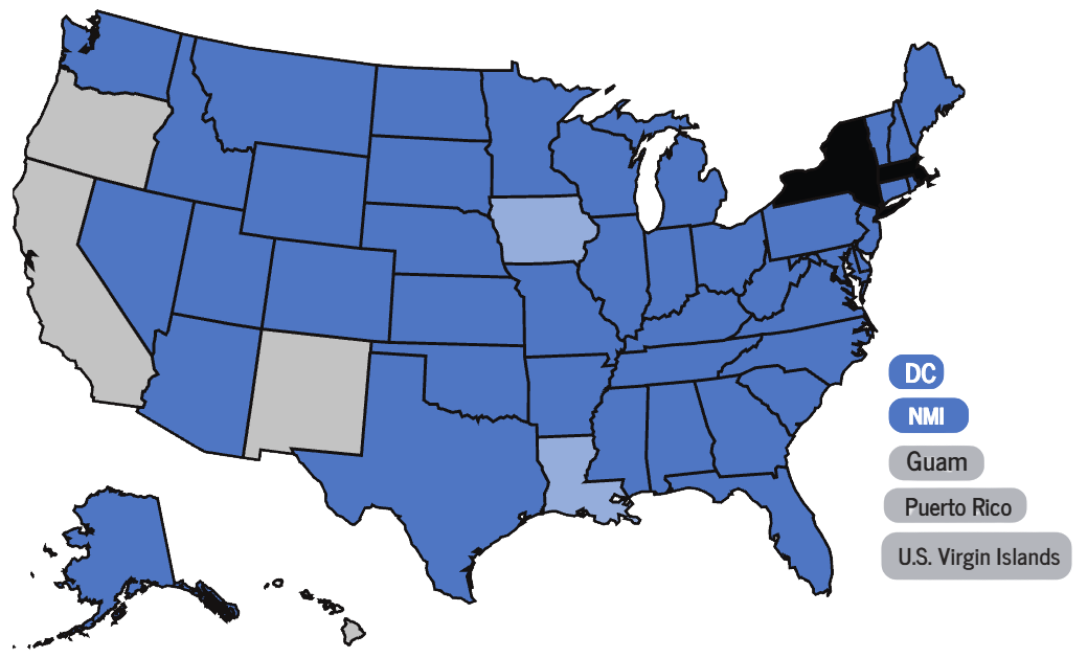
I offer online premarital counseling for engaged couples in Connecticut and eligible clients in participating PSYPACT states.
If you’re wondering whether working together might make sense, we can start with a complimentary introductory call. You can tell me a little about what’s been going on, ask your questions, and get a sense of whether working together would be a good fit.
You can also call or text me at 860-333-8773.
About Dr. Kristin Barnhart
Dr. Kristin Barnhart is a licensed psychologist in Connecticut, couples therapist, and founder of Breakthrough Counseling, LLC. She has been a licensed clinician for more than 30 years and provides online therapy for couples and individuals.
Dr. Barnhart works with committed couples in many stages of life, including dating, engaged, newly married, long-married, parenting, empty nest, and later-life couples.
She specializes in helping couples improve communication, understand recurring conflict, repair trust, create healthier family boundaries, and rebuild emotional communication.
She also provides online therapy for individuals navigating relationship conflict, anxiety, depression, stress, grief, and life transitions.
Her work is warm, practical, and tailored to your real life. She uses evidence-informed approaches, including cognitive behavioral therapy (CBT), dialectical behavior therapy (DBT), solution-focused therapy, and strengths-based care. Christian-based support is available upon request.
She is authorized through PSYPACT to provide therapy across state lines in more than 40 participating states.
To learn more about whether therapy may be a good fit, you’re invited to schedule a complimentary introductory call by calling or texting 860-333-8773.
This article is for educational purposes and is not a substitute for therapy, diagnosis, or emergency care.

0 Comments