

Are there therapists specializing in wedding day anxiety available for virtual sessions?
Yes. Some therapists help brides and grooms with wedding day anxiety, and many offer virtual sessions.
You may not see wedding day anxiety listed as a formal specialty, so look for therapists who do premarital counseling or couples therapy and have experience helping people with anxiety.
And honestly, virtual sessions make sense during engagement.
You’ve already got enough on your calendar, and you don’t need one more thing that makes you feel pressured to get somewhere for an appointment.
Virtual therapy can be such a relief. Not because you can choose the setting for your session so that it feels the least stressful. Laptop on the couch or video from a quiet room. No drive across town, wondering if you’ll make it there on time.
Here’s the shortcut:
Some virtual therapists work with couples feeling wedding day anxiety. You can find them by searching for anxiety therapy, premarital counseling, or individual or couples therapy.
What is wedding day anxiety?
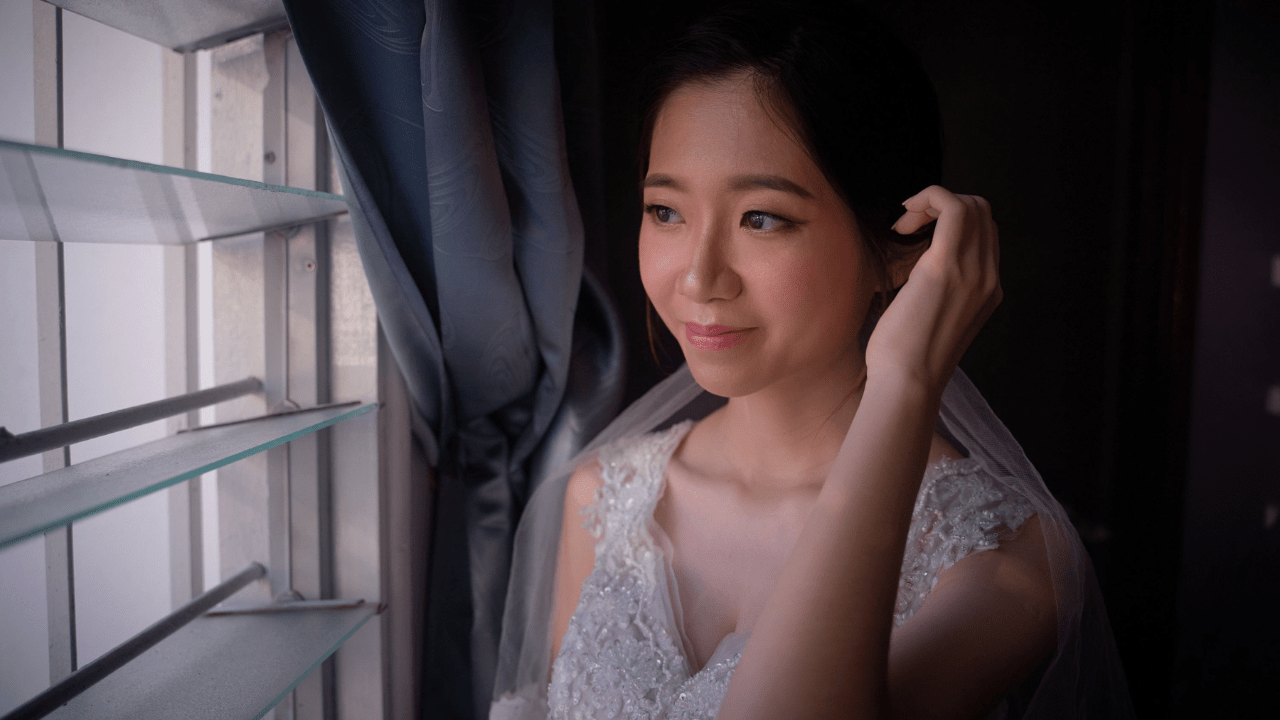
The simple answer: Wedding day anxiety is the stress, worry, body tension, dread, irritability, or emotional overwhelm that can show up before or during wedding events.
It can show up in small, annoying, very real ways.
You stare at your phone because you know you need to call the florist, but your whole body says, “I can’t”.
You reread a text from your future mother-in-law ten times, trying to figure out what she really meant.
You feel fine until someone asks you how wedding planning is going, and suddenly, you want to disappear.
And sometimes you snap at your partner even though you’re not actually mad at them. You’re tired of being the one who holds all the details and tries to manage everyone’s emotions.
According to the American Psychological Association, anxiety often involves worried thoughts, tension, and physical changes. A wedding gives anxiety plenty to work with because almost everything is future-focused: what if I mess up, what if his family doesn’t like me, what if I disappoint grandma?
What does anxiety feel like when you’re planning a wedding?
It can feel like your phone is a threat.
That sounds dramatic until you have ten unread texts, three vendor calls to return, a dress appointment to confirm, and someone asking if one more person can be added to the guest list.
For an anxious bride, wedding planning can feel like:
1. Avoiding phone calls because you don’t want to sound awkward
2. Feeling nervous before appointments, even fun ones.
3. Replaying conversations with your partner’s family and wondering if you came across awkward
4. Getting irritated because everyone keeps asking you for answers
5. Googling “What does anxiety feel like?” and wondering why everyone else seems to be handling wedding planning better
Anxiety and stress can show up in the body through symptoms like trouble sleeping, difficulty concentrating, fatigue, muscle tension, and irritability. This might help explain why wedding planning is affecting your sleep, appetite, patience, or ability to focus. Your primary care physician can help you rule out any medical causes.
What this means
Your anxiety may be less about the wedding and more about everyone suddenly needing a response from you. When wedding planning starts to feel like constant access to your attention, it’s time to set some helpful boundaries.
How to Find a Therapist with Openings
Why I work with Mentaya
How to Find a Therapist with Openings

Psychology Today’s therapist directory is a practical starting point because you can search by location, specialty, whether they have openings, and online availability.
You can also look online.
| Search phrase | Use this if… |
|---|---|
| Anxiety therapy | Your body feels tense, your thoughts race, or calls and appointments feel overwhelming. |
| Premarital counseling | You want help talking about family, roles, faith, money, expectations, or cycles of conflict. |
| Couples therapy | Wedding stress is turning into arguments, shutdowns, or hurt feelings. |
What should I do before scheduling virtual therapy?
Jot down a few things:
- What’s happening?
I’m getting married soon, and wedding planning is making me anxious. - What’s stressing you out the most?
Too many calls, appointments, family expectations, and money conversations. - What do you want help with?
I want to feel less overwhelmed, set better boundaries, and stop feeling like I have to keep everyone happy.
Here’s the short version
Before scheduling virtual therapy, jot down what’s happening, what feels hardest right now, and what you want help with. It doesn’t have to sound polished. Something like, “I’m getting married soon, and I feel anxious,” is enough.
Can therapy help if wedding stress is affecting my relationship?
Why the right fit matters
Can therapy help if wedding stress is affecting my relationship?

Absolutely. And this is where support can be especially helpful.
Wedding stress has a way of sneaking into the relationship. Suddenly, you’re not just choosing flowers. You’re arguing about whose family gets more say, who’s avoiding the budget conversation, and why you feel alone in the planning.
The Gottman Institute emphasizes that strong relationships are built through everyday moments of connection, active listening, and healthy conflict management. That matters during wedding planning because the habits you build now don’t disappear after the wedding. They often follow you into the first six months of marriage.
Copy this if you’re spiraling
I don’t need to figure this out in front of everyone right now. First, I need to talk to my fiancé, then we’ll decide what our next step is.
That sentence is boring. Good. Anxiety doesn’t need dramatic language. It needs something steady.
FAQ: Virtual Therapy for Wedding Day Anxiety
Are there therapists who specialize in wedding day anxiety?
Yes. Search for therapists specializing in relationship mental health, like anxiety. Also search for premarital counseling, couples therapy, or family boundaries. Wedding day anxiety may not always be listed as its own specialty, but many therapists work with the stress underneath wedding planning.
Can virtual therapy help with wedding day anxiety?
Yes. Virtual therapy can help you manage anxiety symptoms, reduce overwhelm around phone calls and appointments, prepare boundary language, and develop healthy communication patterns with your partner. Virtual therapy can be especially helpful when your schedule is already full from wedding planning.
What type of therapist helps with pre-wedding anxiety?
Look for a therapist who works with anxiety, life transitions, premarital counseling, communication, or family stress. If faith matters to you, you may also search for faith-informed premarital counseling or something like Christian marriage counseling near me.
What does anxiety feel like before a wedding?
Wedding anxiety can feel like racing thoughts, nausea, tightness, irritability, dread, numbness, crying, trouble sleeping, or avoiding calls and appointments. It can also feel like worrying that your partner’s family is judging you or that your decisions will disappoint someone. Therapists who practice DBT or CBT have lots of tools to provide relief.
Next steps
Call or text 860-333-8773 to book a complimentary introductory call with me. Watch this video so you know what to expect.
You can also read:
- I’m Getting Married This Year, and Family Pressure is Already Starting
- The Ultimate Blueprint for Living with Anxiety
Support now can help you enter your marriage with healthy boundaries, clearer communication, and fewer patterns built around panic.
Author Box
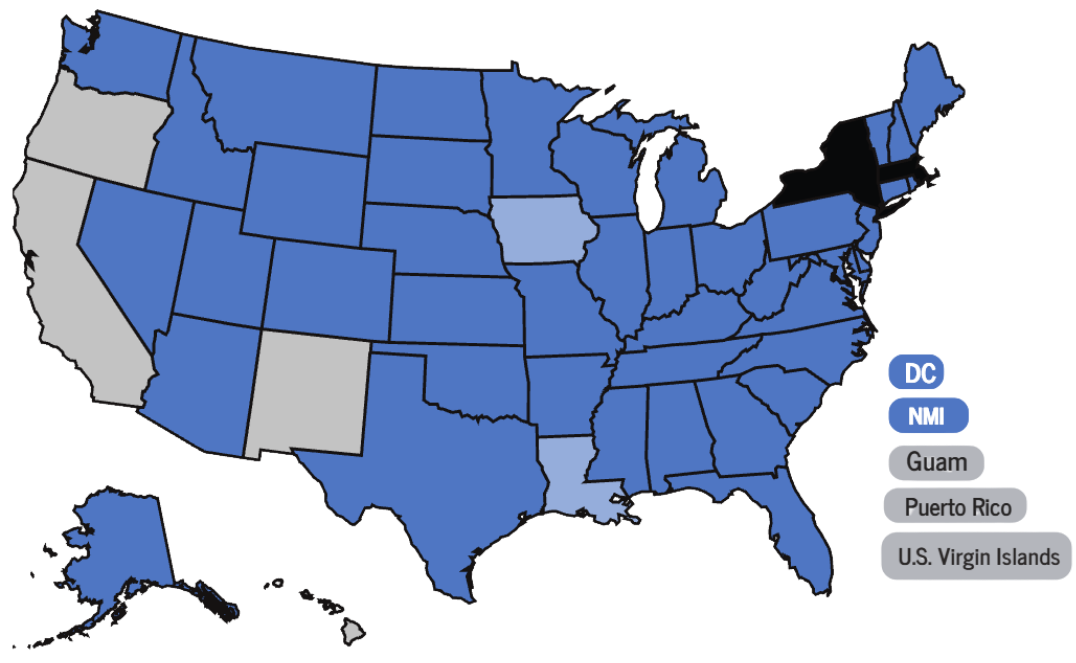
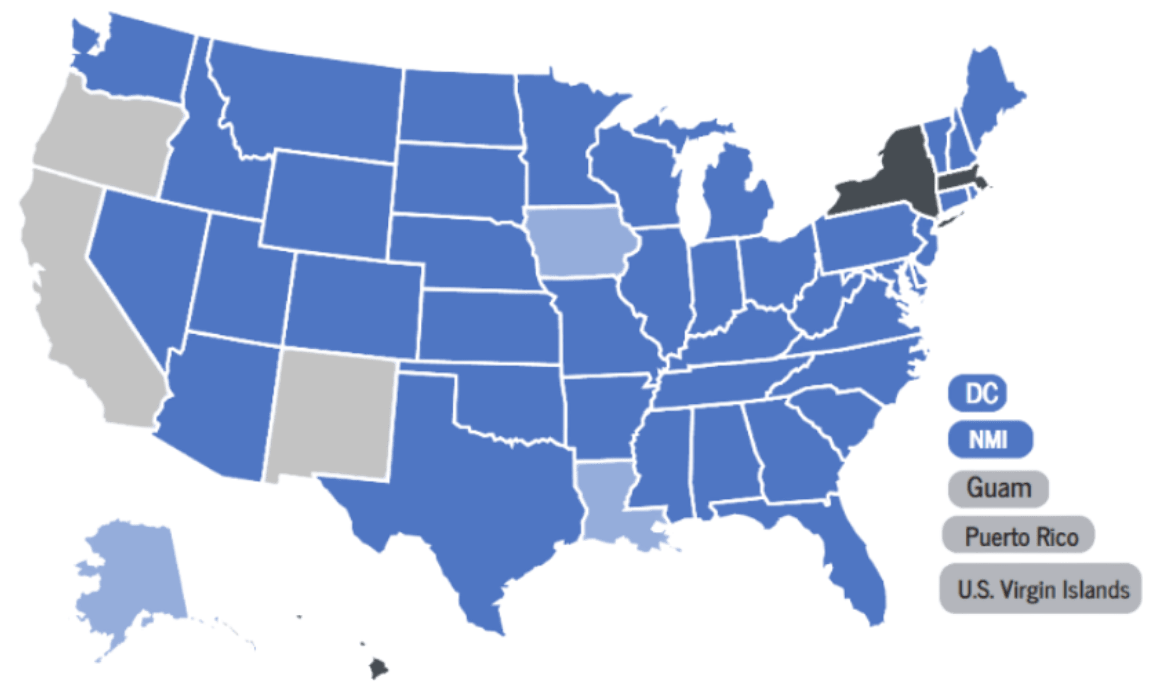
Dr. Kristin Barnhart is a licensed psychologist and couples therapist who helps couples improve communication, rebuild trust, and feel close again. She is licensed in Connecticut and authorized through PsyPact to provide telepsychology in 43 participating states. Her work is warm, practical, and grounded in evidence-based approaches, including CBT, DBT, solution-focused therapy, and strengths-based care. Christian-based support is available upon request.
This article is educational and is not a substitute for therapy, diagnosis, or individualized mental health care.

0 Comments