

You and your partner get along well. You enjoy spending time together, and there’s a lot about your relationship that makes you happy.
Still, there are a few tricky things you want to talk about.
Maybe you’ve had the same disagreement several times, and even after trying to work it out, it keeps coming up.
Or you want to talk about how much time you spend together or how you’re sharing the mental load at home.
You’ve thought about couples therapy, but you’re not sure your concerns are serious enough to bring to a therapist.
After all, aren’t things supposed to be pretty bad before you go to couples therapy?
Actually, no.
Couples Therapy Isn’t Only for Relationships in Trouble
It’s understandable that people associate couples therapy or marriage therapy with struggling relationships.
We often hear about couples seeking help after years of arguments, growing apart, or losing trust in each other.
But couples also come to therapy when things are going fairly well, and there are a few things they’d like to work on.
They may want to become better at communicating, understand each other more deeply, or talk through expectations about their future.
Some are preparing for marriage. Others have been together for years and are approaching a new stage of life.
There’s something admirable about couples who recognize areas of their relationship that could use some attention and decide to work on them before those concerns grow.
The American Psychological Association also encourages couples to pay attention to their relationship before serious problems develop. Having those conversations early can be a worthwhile way to strengthen communication and work through differences together.
What Would We Talk About If Our Relationship Is Already Good?
What Would We Talk About in Therapy If Our Relationship Is Already Good?

Some things you might want to work on in therapy:
- Finding more time for each other when work, parenting, and everyday responsibilities are competing for your attention.
- Talking about rekindling physical intimacy and what sparks emotional intimacy.
- Preparing for marriage, having children, adjusting to an empty nest, or another life transition.
- Looking at how your families handled money, emotions, and boundaries, and deciding what you’d like to carry into your own relationship or do differently.
Sometimes a Few Conversations Can Make a Difference
Sometimes a Few Conversations Can Make a Difference
Consider a couple who’ve been married for several years.
They get along well with each other’s families, but they’ve noticed some differences in expectations.
One family assumes everyone will spend the holidays together. The other is more flexible.
One set of parents likes to be involved in family decisions, while the other gives their adult children more independence.
For years, the couple has managed these differences pretty well. But lately, they’ve been disagreeing about family plans and certain requests from relatives.
They both want to maintain good relationships with their families without creating tension in their marriage.
They’d like to figure out how to handle these situations together.
Sometimes couples come to therapy with one particular concern like this, and a few focused sessions may be enough. Others have several things they’d like to address.
Learning How to Disagree and Still Feel Close
Learning How to Disagree and Still Feel Close

Even couples with good relationships disagree.
Sometimes one of you wants to talk about something right away, while the other needs time to think.
Or you think you’ve worked something out, but a few weeks later, you’re having the same conversation again.
You may feel anxious about bringing it up because you don’t want another argument. But the frustration is still there.
Research by psychologist John Gottman and his colleagues found that many disagreements between couples involve differences that may never be completely resolved.
That may sound discouraging, but you don’t have to agree on everything to have a good relationship.
What matters is learning how to talk about those differences, understand where each other is coming from, and stay connected even when you don’t see things the same way.
What Is Couples Therapy Like When We Aren’t Having Major Problems?
When we first meet, I’ll ask what you each appreciate about your relationship and what you’d like to work on.
You may have one particular concern, or a few things you’d like help with.
As your couples therapist, I’ll ask questions, share what I’m noticing, and help you better understand each other’s perspectives.
We may also talk about what you learned about relationships growing up.
Maybe one of you grew up in a family where disagreements were talked about openly, while the other came from a family where difficult subjects were avoided.
There may be things you appreciated about your parents’ marriages, along with things you’d like to do differently in your own.
I’ll also give you practical things to work on between sessions, so you have opportunities to use what we’re discussing in your everyday life.
For many couples, I recommend meeting weekly for about 12 weeks. That gives us time to work on what’s been happening in your relationship, try some new approaches between sessions, and see what’s making a difference.
Some couples need less time, especially when they come with one specific concern. Others benefit from continuing beyond those initial weeks.
We’ll talk about what makes sense for you.
Do We Really Need Couples Therapy Right Now?
Do We Really Need Couples Therapy Right Now?

You and your partner are still learning about each other, even if you’ve been together for years.
There may be conversations you haven’t quite figured out yet or patterns you’d like to change as you build your future together.
And you don’t have to be unhappy in your relationship to want to make some changes.
There’s a lot to be said for working on those things while they’re still manageable.
If you’re wondering whether couples therapy might be helpful, let’s start with a simple conversation.
During a complimentary introductory call, you can tell me a little about what’s been going on, ask your questions, and we’ll talk about whether working together makes sense for you.
Call or text me at 860-333-8773 to schedule your introductory call.
About Dr. Kristin Barnhart
Dr. Kristin Barnhart is a licensed psychologist in Connecticut, couples therapist, and founder of Breakthrough Counseling, LLC. She has been a licensed clinician for more than 30 years and provides online therapy for couples and individuals.
Dr. Barnhart works with committed couples in many stages of life, including dating, engaged, newly married, long-married, parenting, empty nest, and later-life couples.
She specializes in helping couples improve communication, understand recurring conflict, repair trust, create healthier family boundaries, and rebuild emotional communication.
She also provides online therapy for individuals navigating relationship conflict, anxiety, depression, stress, grief, and life transitions.
Her work is warm, practical, and tailored to your real life. She uses evidence-informed approaches, including cognitive behavioral therapy (CBT), dialectical behavior therapy (DBT), solution-focused therapy, and strengths-based care. Christian-based support is available upon request.
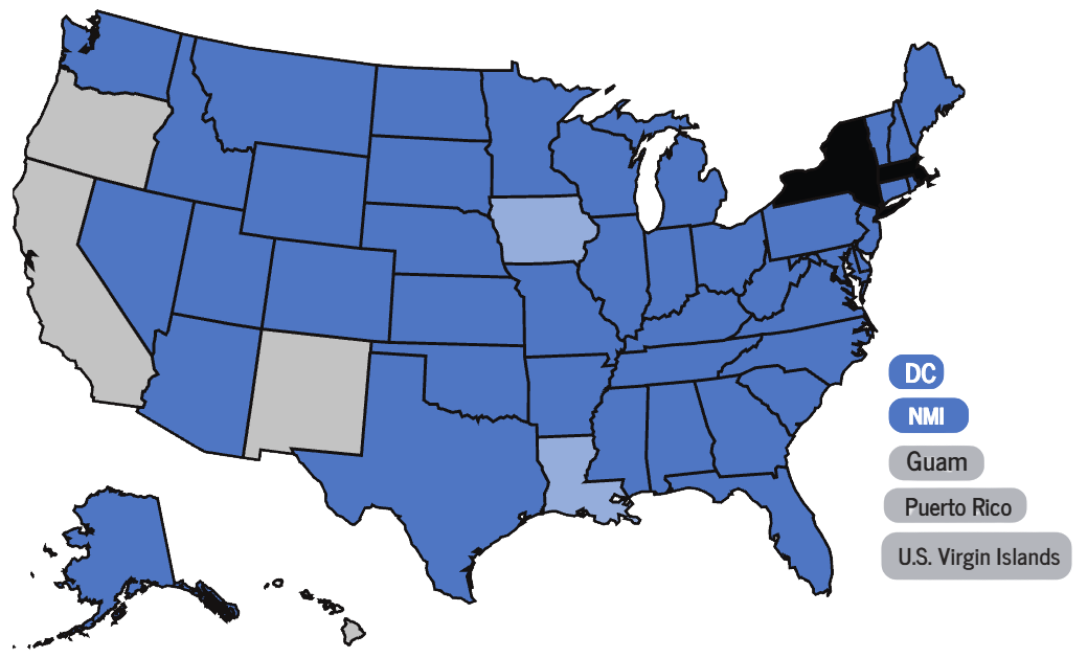
She is authorized through PSYPACT to provide therapy across state lines in more than 40 participating states.
To learn more about whether therapy may be a good fit, you’re invited to schedule a complimentary introductory call by calling or texting 860-333-8773.
This article is for educational purposes and is not a substitute for therapy, diagnosis, or emergency care.

0 Comments