

You went to a family thing. Maybe it was dinner, a birthday, a holiday, or a quick visit that somehow took up most of the afternoon.
Nothing huge happened. At least, not in a way that would sound dramatic if you tried to explain it later.
No one yelled or stormed out. Nobody said the one obvious thing that would make your reaction easy to justify.
Still, by the time you get home, something feels off.
Your partner seems fine, which almost makes it worse.
Meanwhile, you’re replaying the comment their parent made, the way your sibling stirred things up with a question about money, the parenting advice no one asked for, or the way everyone seemed to assume your plans were flexible because someone in the family needed something.
Maybe your partner shared more with their family than you were comfortable with. Or an aging parent needed help, and the two of you had very different ideas about what “reasonable” means.
You keep waiting for your partner to say, “That was a lot,” or “I should have handled that differently.”
Instead, they say, “I don’t think they meant it that way.”
And there it is.
The family visit is over, but the two of you are still in it.
Again.
Quick answer: Why do couples fight after family visits?
Couples often fight after family visits because family time can bring up old roles, unspoken expectations, loyalty conflicts, and pressure to keep everyone comfortable.
One partner may shut down, defend their family, or try to smooth things over. While the other feels alone, dismissed, or unsupported.
Usually, the fight is not only about one comment, a single dinner, or a specific holiday.
It’s about the layered feelings and questions underneath.
Are we a team?
Do you see what I’m seeing?
Can we make decisions without everyone else weighing in?
Does your family’s comfort always come first?
That’s why family visits can cause relationship conflict long after everyone has gone home.
And this can happen whether you’re dating, engaged, married, remarried, raising kids, or navigating family relationships later in life.
Why family visits can feel so loaded

A comment from family can hit differently than the same comment from anyone else.
If your partner’s parent says, “You really let the kids do that?” your partner may hear a passing opinion, but you hear criticism.
If your sibling makes a comment about money, you may try to brush it off, while your partner feels judged or exposed.
If an aging parent says, “I guess I’ll just figure it out myself,” one of you may feel responsible right away. The other may feel like guilt is running the whole conversation.
There are so many scenarios that can play out.
A lot of couples fight after seeing family because they’re not reacting to the exact same experience.
One person is responding to the comment itself. The other is responding to what the comment seemed to mean.
When you fight with your partner, it might be because they still default to their family’s comfort.
Or decisions the two of you made privately were suddenly treated like group decisions.
Maybe the visit brought up a bigger issue you’ve both been trying to avoid.
Underneath it all, you feel tender.
Do my feelings matter to you?
Can we protect our relationship?
Can I bring this up without becoming the problem?
These are deep questions that help explain why couples fight after seeing family.
How old family patterns affect your relationship
Every couple brings two family of origin into the relationship.
Even when you share similar values, or both describe yourselves as “close with family,” this can look completely different.
One family talks everything out. Another avoids conflict until someone finally explodes.
One family sees boundaries as healthy, the other sees them as rejection.
Some families expect adult children to explain every choice. Others give people room to make decisions privately.
Some use guilt when they feel left out. Others joke in ways that sting, then act confused when someone feels hurt.
These patterns don’t stay neatly in the background. They show up in holidays, parenting, money conversations, blended family dynamics, caregiving decisions, and conversations about how much time you are expected to spend with extended family.
Family relationships shape how we handle conflict, closeness, boundaries, and emotional pressure.
Research has found that the way people interact in their families growing up can affect how they communicate and connect in adult relationships. Couples therapy gives you a place to look at those patterns, understand what’s happening underneath the conflict, and choose healthier ways to respond to each other.
In real life, your relationship isn’t happening in a vacuum. Your family shaped you. Now the two of you get to decide what you want to keep, what you want to adjust, and what you don’t want running your relationship.
What to talk about before the next family visit
Why I work with Mentaya
What to talk about before the next family visit
The ride home is usually not the best time to solve family dynamics. By then, both of you may already feel tense, defensive, or emotionally fried.
After you both have cooled down, try something sincere and simple: “I noticed that comment, and I’m sorry I didn’t say anything,” or “I can see why that felt lonely,” can soften things.
Before the next visit, talk about a few things so you’re aligned:
- What would help you feel less alone when something uncomfortable happens?
- Which decisions do we need to protect as a couple?
- How often do we realistically want family visits to happen?

The ride home is usually not the best time to solve family dynamics. By then, both of you may already feel tense, defensive, or emotionally fried.
After you both have cooled down try something sincere and simple, “I noticed that comment, and I’m sorry I didn’t say anything,” or “I can see why that felt lonely,” can soften things.
Before the next visit talk about a few things so you’re aligned:
- What would help you feel less alone when something uncomfortable happens?
- Which decisions do we need to protect as a couple?
- How often do we realistically want family visits to happen?
The Gottman Institute emphasizes the value of “repair attempts,” which are small actions or words that can help keep conflict from escalating. Repair doesn’t have to sound polished or perfect. Even a simple apology or a softer tone can help interrupt the pattern and bring you back toward each other.
When couples therapy may help
When couples therapy may help

Couples therapy can help when the two of you keep having the same conversation and can’t find your way out of it.
That can happen when family visits frequently lead to arguments, one of you feels caught between family and your relationship, or one of you leaves these moments feeling dismissed, unsupported, or “too sensitive.”
Sometimes the issue is bigger than one visit. Caregiving needs are increasing. The holidays have become a yearly argument. Parenting decisions keep getting pulled into family opinions. Adult siblings create tension. Religious or political differences make family time stressful. Blended family dynamics add another layer.
Even setting simple boundaries, like how often you visit, what information stays private, or how you respond when someone questions your decision, can start to feel loaded.
Over time, every family event can begin to feel like a hidden test: who gets prioritized, who stays quiet, who compromises, who holds the boundary, and who ends up feeling alone afterward.
Couples counseling isn’t about deciding whose family is the problem.
Instead, it helps you understand the pattern, talk about family pressure without blaming each other, and build healthier boundaries together so you can respond as a team
The American Association of Marriage and Family Therapy describes marriage counseling as systemic, solution-focused, and centered on relational healing.
If there are dynamics present like intimidation, manipulation, emotional abuse, coercive control, or repeated boundary violations that leave one person feeling unsafe, it’s important to take that seriously. In those situations, extra support can help you slow down, assess what’s happening, and map out a healthy response with expert guidance.
Ready for more support?
If family visits keep turning into the same argument afterward, it may be time to get some support before the pattern gets more divisive.
Couples therapy can help you slow the conversation down, understand what is really happening underneath the conflict, and talk about family pressure without turning on each other. It can also help you create healthier boundaries, communicate more clearly, and feel more like a team.
If you’re interested in working together, you’re invited to schedule a complimentary 15-minute introductory call by calling or texting 860-333-8773. We’ll talk briefly about what’s been going on and whether online couples therapy could be a good fit.
About Dr. Kristin Barnhart
Dr. Kristin Barnhart is a licensed psychologist in Connecticut, couples therapist, and founder of Breakthrough Counseling, LLC. She has been a licensed clinician for more than 30 years and provides online therapy for couples and individuals.
Dr. Barnhart works with committed couples in many stages of life, including dating, engaged, newly married, long-married, parenting, empty nest, and later-life couples. She specializes in helping couples improve communication, understand recurring conflict, repair trust, create healthier family boundaries, and rebuild emotional closeness.
She also provides online therapy for individuals navigating relationship conflict, anxiety, depression, stress, grief, and life transitions.
Her work is warm, practical, and tailored to your real life. She uses evidence-informed approaches, including cognitive behavioral therapy (CBT), dialectical behavior therapy (DBT), solution-focused therapy, and strengths-based care. Christian-based support is available upon request.
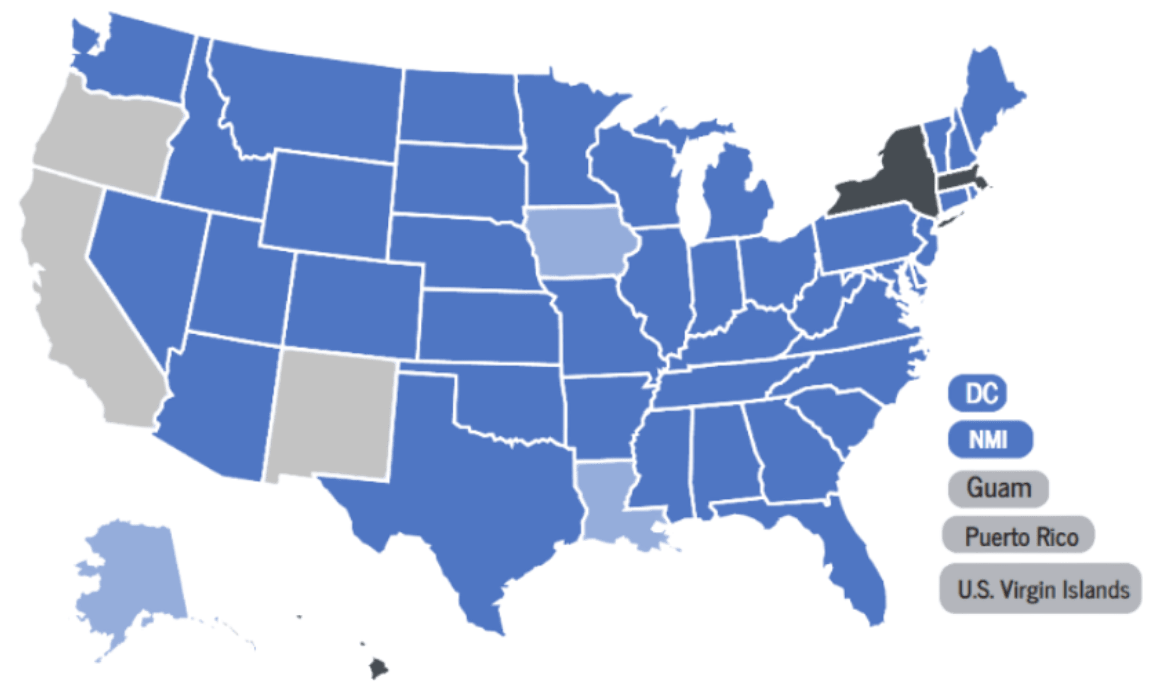
Dr. Barnhart is authorized through PSYPACT to provide telepsychology in 43 participating states.
To learn more about whether therapy may be a good fit, you’re invited to schedule a complimentary 15-minute introductory call by calling or texting 860-333-8773.
This article is for educational purposes and is not a substitute for therapy, diagnosis, or emergency care.

0 Comments