
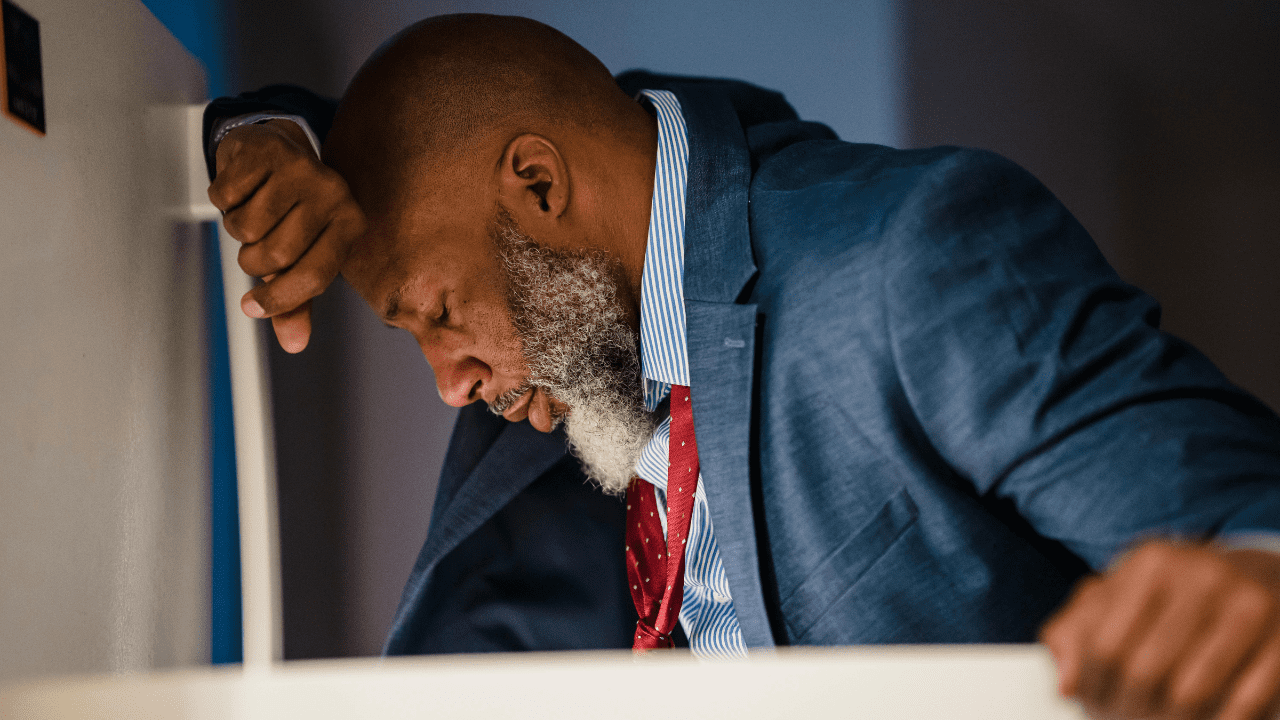
For some people, this has been building over time. For others, it’s felt close to the surface for a long time. It’s not just one upsetting story. It’s the steady drip of hard things, and the way they keep finding us.
And we’re seeing more than we used to. People film what’s happening in real time. Videos show up in your feed before you’re fully awake, or when you’re just trying to check one thing. Sometimes you didn’t go looking for it, but there it is.
So if you feel shaken, on edge, or like your body reacts before your brain can catch up, that makes sense. When you take in real human suffering over and over, your nervous system doesn’t treat it like just background noise, even when it didn’t happen to you directly. And for some people, it doesn’t feel distant at all.
If you’ve been feeling more on edge, more emotional, more tired, or quicker to snap at home, that’s not a character flaw. Your nervous system may be responding to secondary trauma.
What Is Second Hand Trauma?

Secondary traumatic stress, often called secondary trauma, can happen when you’re exposed to someone else’s trauma or traumatic details, and your nervous system starts responding like the threat is closer than it is.
For some people, the exposure comes through work (helping professionals, caregivers, first responders). For many people, it’s exposure to news, especially when the content is intense, repeated, and constant.
If You Feel Shaken, That Makes Sense
You might notice:
- intrusive images or mental replays you can’t shut off
- sleep changes, nightmares, or waking up wired
- irritability, tearfulness, numbness, or feeling “not like yourself”
- feeling less safe, or noticing safety feels harder to access than it used to, or harder than you want it to be
- relationship spillover: more conflict, less patience, less closeness, less interest in touch
The American Psychological Association describes how traumatic stress can impact emotions, thinking, behavior, relationships, and physical health.
When It Feels Like the Next Story Could Drop Anytime
One of the hardest parts right now is that it doesn’t feel like a single event with a beginning and an end. It can feel like one traumatic story rolls into the next, and you never quite get to exhale because you don’t know when the next headline is coming.
If you’re noticing symptoms of secondary trauma and the news cycle is still intense, your goal is not to pretend nothing is going on. Your goal can be to keep up with what’s happening in a way your nervous system can tolerate.
How to follow updates without feeling wrecked:
- Set a limit on how you consume updates. Choose short windows a day to check in, then outside that window, no checking. Predictability helps your nervous system.
- Read, don’t watch. Video can imprint fast. Reading tends to be less intense.
- Avoid replay loops. If you’ve already seen the clip, seeing it again usually deepens the imprint, not your understanding.
- Choose one or two sources you trust enough to keep you informed, and limit the rest. Bouncing between outlets tends to mean more repetition and more escalation.
- Bookend your news check. Before you check, take three slow breaths. If you know a topic tends to spike your nervous system, it’s okay to avoid the most intense details. You can keep up with what’s happening without consuming the most intense version of the story.
- After you check, do two minutes of movement: walk, stretch, step outside. It’s a simple signal to your body: “We’re here, not there.”
- Talk about it with someone steady. Not someone who amps it up. Talk with someone who can stay grounded with you, especially if your body is already running hot. Process what’s going on with someone who can listen, validate, and stay grounded.
What Helps After Secondary Trauma

You don’t need to “power through.” You need to help your system settle and reconnect.
Here’s a realistic plan that helps most people:
1) Reduce repeat exposure
This is not avoidance. It’s dosage.
- turn off push alerts
- skip the most intense clips, or limit repeats
- keep your news window short and planned
2) Talk it out with steady people
Not one big deep talk. Think steady, frequent check-ins.
Try:
-
“Can I talk for five minutes and you just listen?”
-
“I don’t need advice. I just need someone with me.”
3) Build community on purpose
Secondary trauma can make you want to isolate. Community helps your nervous system come back online.
Pick one small move:
-
a weekly walk with a friend
-
a standing coffee date
-
a small group
-
a trusted coworker check-in
4) Support your nervous system daily
You’re not trying to be calm. You’re trying to be regulated enough.
-
slow breathing for 2 minutes
-
a brisk walk
-
stretch for five minutes
-
hot shower
-
protein + water
-
daylight early in the day
5) Name the relationship impact early
Secondary trauma often shows up as more misreads, more snap reactions, more shutdown, and less affection.
Try:
-
“My nervous system is overloaded. I’m more reactive than I want to be.”
-
“I’m not mad at you. I’m overwhelmed, and I need a reset.”
That kind of honesty prevents a lot of unnecessary fights.
When your brain starts asking, “Could that happen near me?”
For some people, this fear is new. For others, it connects to experiences they’ve had before, or the reality of what they navigate in daily life.
Grounding steps that may help keep you from spiraling:
- Make a simple “if-then” plan, then stop there. If you already find yourself scanning for exits, you don’t need to do more of that. The goal is something you can lean on without staying on high alert all the time.
- Keep your phone charged and decide who you’d call. You don’t need to rehearse worst-case scenarios all day.
- If you witness something frightening, stabilize first. Get to safety. Then connect with a calm person as soon as you can. Your brain processes better when you’re not alone.
- Expect your body to react. Shaking, nausea, crying, numbness, feeling unreal, trouble sleeping, intrusive replays. These can be normal acute stress responses.
- Prioritize early support in the first 24 to 72 hours. Sleep, hydration, food, gentle movement, and connection.
- If symptoms persist or intensify, get professional support. Especially if you’re replaying the event, avoiding life, or feeling unsafe in your own body.
When It’s Time to Talk With a Therapist: A Quick Checklist

Some signs that it’s time to reach out for support:
- Something disturbing happened, and you want to process it in a healthy way
- It’s been a few weeks, and you’re on edge
- Sleep is consistently disrupted
- You keep replaying images or details
- Your body feels on alert most days
- You’re avoiding life: people, places, tasks, intimacy
- You’re numbing in ways that don’t feel like you
- Your relationship is taking hits: more conflict, more distance, more loneliness
How to Find a Trauma Therapist
If trauma symptoms are strong or persistent, I recommend finding a therapist who specializes in supporting clients with trauma and practices Eye Movement Desensitization and Reprocessing (EMDR)
Here’s how to search for trauma therapist emdr and:
Look for training and repetition, not just a label
“Trauma-informed” is common and can be helpful. You’re looking for someone who treats trauma regularly and can clearly explain their approach.
What to ask in a consult
- “What trauma approaches do you use most often?”
- “How do you help clients stay regulated during the work?”
- “How do you decide if EMDR is a good fit?”
In-person vs telehealth: What to consider
- If you can find an EMDR therapist in person, some people find that more grounding, especially early on. Telehealth also works, so consider fit, access, and what feels safest for you.
- The American Psychological Association describes EMDR as a structured psychotherapy used to treat PTSD.
- A practical starting point for locating EMDR-trained clinicians is EMDRIA’s directory and resources.
Where I fit in
Next Steps
- If trauma symptoms are the main issue, start with a trauma specialist for individual therapy
I do not specialize in trauma therapy or EMDR. If symptoms like intrusive images, sleep disruption, or feeling constantly on edge are leading the way, begin with a therapist who treats trauma as their primary focus. - If this is straining your relationship, consider couples therapy as added support
Secondary trauma often shows up at home as more conflict, more distance, and a shorter fuse. Couples therapy can help you protect the relationship while you get the right trauma support. Marriage therapy is especially beneficial if you’re having a very hard first few months of marriage, before patterns get stuck. - If you want to explore couples therapy with me, here’s what to do
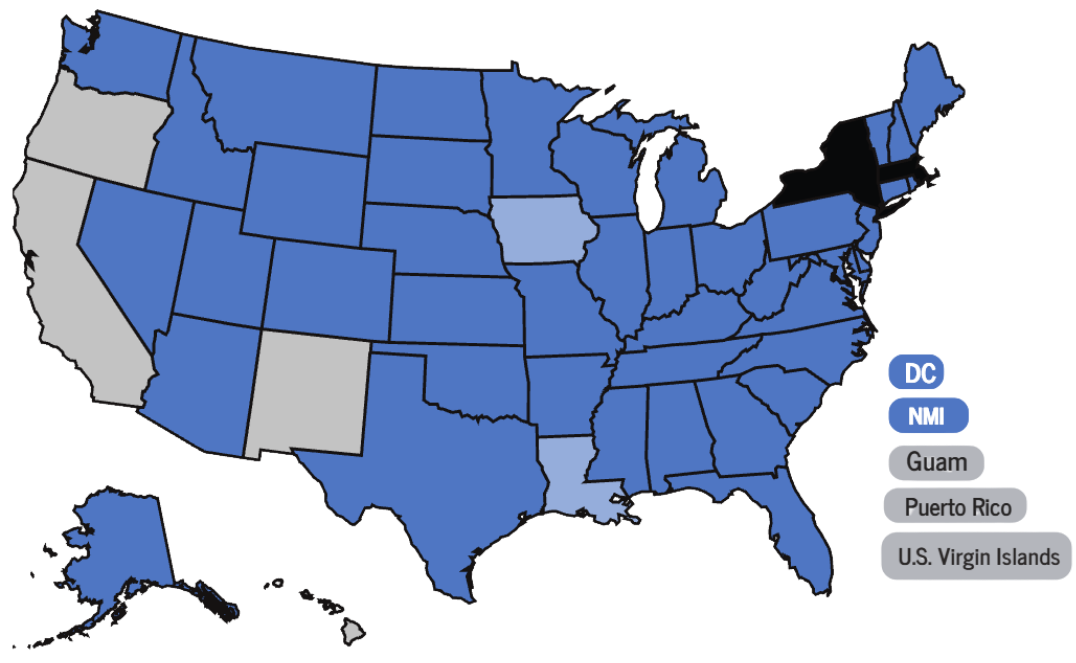
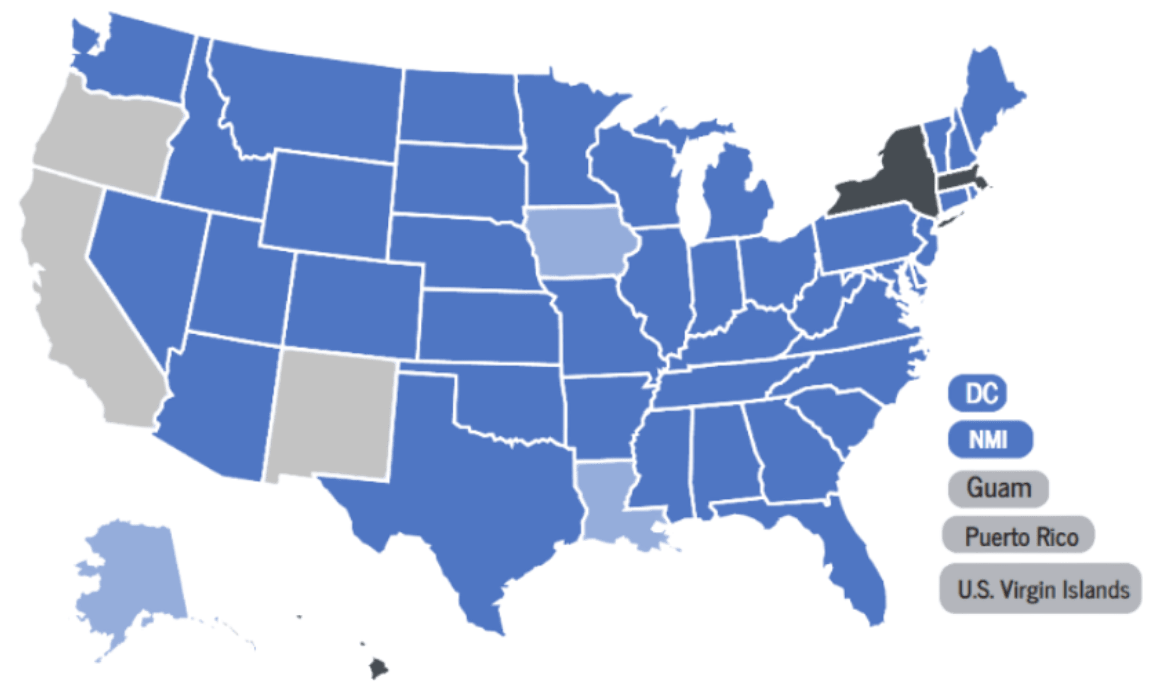
Click here to learn what to expect during a complimentary introductory call with me and how to schedule it. I’m authorized to see clients in 43 states through PsyPact. A Christian counseling perspective is available upon request.

0 Comments